

Your child's blue book
The Personal Health Record, or blue book, tracks your child's growth, development checks and vaccinations from birth.
Bring it to every visit.
Friendly, unhurried care for babies, children and teenagers across Morisset and Lake Macquarie: check-ups, immunisations, growth and development, everyday illnesses and the questions every parent has. Children 15 and under are bulk billed with a valid Medicare card.

GP consultations are bulk billed for eligible patients with a valid Medicare card: children 15 and under, patients 65 and over with a pension or Health Care Card, and all other pension and Health Care Card holders.
GP consultations for children 15 and under are bulk billed with a valid Medicare card.
Tap to see moreSome services, such as privately purchased vaccines, may attract a fee. Reception will tell you first.
Fees and eligibilityYour child's Personal Health Record (the blue book) helps track growth, checks and vaccines.
Tap to see moreBring it to every visit and immunisation so everything is recorded in one place.
Book an appointmentSame-day appointments are available on most days.
Tap to see moreCall from 8:00am and let reception know your child is unwell so they can be seen promptly.
Call (02) 4006 8222Young people can talk to a GP confidentially about their health.
Tap to see moreFrom around 14 or 15, teenagers can usually get their own Medicare card and see a GP independently.
Read about teen healthChoose a topic to see what is involved, what it costs, the questions people ask most, and how to book.
Regular checks help make sure your child is growing and developing well. Your GP can check growth, hearing, vision, speech, movement and behaviour, and talk through feeding, sleep and toilet training.
If you have any concerns about your child's development, you do not need to wait for a scheduled check. Early support makes a difference.
Child health checks are recommended at set ages from birth to school age, including at 1 to 4 weeks, 6 to 8 weeks, 6, 12 and 18 months, and 2, 3 and 4 years. Many line up with immunisation visits.
Book an appointment to talk it through. Your GP can assess and refer to speech pathology, occupational therapy or a paediatrician if needed.
Vaccines protect children against serious diseases such as whooping cough, measles and meningococcal disease. Most childhood vaccines are free under the National Immunisation Program.
Vaccines are given at 2, 4, 6, 12 and 18 months and 4 years, with further vaccines through the school program. Catch-up schedules are available if any have been missed.
A catch-up schedule can be worked out. Bring the blue book or check the Australian Immunisation Register.
Free influenza vaccine is available for children aged 6 months to under 5 years through the National Immunisation Program.
Children pick up many infections, especially in the early years of childcare and school. Most are mild, but it is always reasonable to have your child checked if you are worried.
Your GP can examine your child, explain what to watch for and when to come back, and advise on fluids, fever and comfort care.
Any fever in a baby under 3 months needs to be seen urgently. Seek urgent help for a child who is very drowsy, floppy, struggling to breathe, has a rash that does not fade when pressed, or is not drinking.
Same-day appointments are available on most days. Call from 8:00am.
Eczema, rashes, allergies and asthma are common in children and can affect sleep and daily life. A clear plan helps families manage flare-ups with confidence.
Your GP can help with eczema care, allergy assessment and action plans, asthma action plans and spacer technique, and referral to a paediatrician or allergist when needed.
Yes. Every child with asthma should have a written asthma action plan that is reviewed regularly.
Your GP can assess symptoms and arrange appropriate tests or refer to an allergy specialist.
Adolescence brings big changes. Teenagers can talk to a GP about mental health, periods, acne, sport injuries, sleep, relationships, sexual health and contraception.
Young people can be seen on their own, and what they share is kept confidential except where there is a serious risk to their safety. Parents are encouraged to support their teen to build a relationship with their GP.
Yes. From around 14 or 15, young people can usually see a GP on their own and have their own Medicare card.
Vaccines given through the school program can be caught up at the clinic if they were missed.
Plain-language information to help you know what to expect and make informed decisions with your GP.
The Personal Health Record, or blue book, tracks your child's growth, development checks and vaccinations from birth.
Bring it to every visit.
Children develop at different rates. Milestones such as smiling, sitting, walking and talking give a guide, but a range is normal.
If you are worried about development, speak to your GP early.
Fever is common and usually a sign the body is fighting an infection. How your child looks and behaves matters more than the number on the thermometer.
Seek urgent care for any baby under 3 months with a fever, or a child who is very drowsy, struggling to breathe or has a rash that does not fade.
The National Immunisation Program vaccines below are free for eligible children. Tap an age to see what is due, then book with the GP or practice nurse. Bring the blue book to every visit.
Usually given in hospital before you go home.
Can be given from 6 weeks. Book early so rotavirus is not missed.
Rotavirus has strict age limits, so try not to delay.
A good time to start the yearly flu vaccine.
Three injections at this visit.
Often due around the time of an 18-month health check.
Pair it with a check before starting school. Childcare and schools ask for an up-to-date immunisation history statement.
Missed at school? Catch-up doses can be given at the clinic.
Missed at school? Book a catch-up.
 Book vaccinations
Schedule shown is the standard NSW and National Immunisation Program schedule. Some children, including Aboriginal and Torres Strait Islander children and those with medical conditions, may be eligible for extra vaccines. Privately purchased vaccines attract a fee. Your GP or nurse will confirm what your child needs.
Most childhood illnesses are mild, but it is always fine to have your child checked. Seek urgent help for breathing difficulty, a non-fading rash or a very drowsy child.
A general guide only. If you are worried, call reception or Healthdirect on 1800 022 222.
Any fever in a young baby needs to be seen urgently.
Next stepCall 000 or go to the nearest emergency department if very unwell; otherwise call the clinic immediately.Book if it lasts more than a week, your child is breathing fast or not feeding well.
Next stepBook a same-day appointment.A rash that does not fade when pressed with a glass needs urgent attention.
Next stepUrgent: call 000. Other rashes, book an appointment.Watch for fewer wet nappies, a dry mouth or drowsiness.
Next stepBook same day, or seek urgent help if very drowsy.Speech, movement, learning or behaviour worries can be checked any time.
Next stepBook a longer appointment.See the immunisation schedule above.
Next stepBook with the GP or practice nurse.Test what you know about children's health. Choose an answer to reveal the explanation.
Any fever in a baby under 3 months needs urgent review.
Young babies can become seriously unwell quickly.
Children grow out of the need for vaccines after age 4.
School vaccines are given in Year 7 and Year 10.
Children 15 and under are bulk billed with a valid Medicare card.
For GP consultations at Morisset Doctors.
Information on this page is general, evidence-based and drawn from Australian health authorities and professional guidelines, including:
Morisset Doctors advertises its services in line with the Health Practitioner Regulation National Law and AHPRA's Guidelines for advertising a regulated health service. We do not use testimonials, offer inducements, or make claims about outcomes. Individual results and experiences vary. Please talk to your GP about your own situation.
Then 4, 6, 12 and 18 months, and 4 years.
With a valid Medicare card.
A good time for a health check too.
Free under the National Immunisation Program.
Move the slider to see what generally applies. This is general information, not a personal plan, so talk it through with your GP.
Book a checkYour care can involve more than one person. Choose a part of the care team to see how it fits together.
Newborn checks, feeding, sleep, immunisations at 2, 4 and 6 months.
Growth and development, 12 and 18 month vaccines, coughs and colds.
4-year vaccines, school readiness, eczema, asthma and allergies.
Everyday illness, sport injuries, asthma plans and wellbeing.
Confidential care, mental health, acne, periods and school vaccines.
Every GP at Morisset Doctors can help with children's health. These team members list it among their interests.

Women's health, children's health, pregnancy care and preventive care. Taking new patients.
Book now
Women's health, paediatrics, geriatric medicine and chronic disease. Taking new patients.
Book now
Skin checks and procedures, geriatric medicine, paediatrics, chronic conditions and men's health.
Book now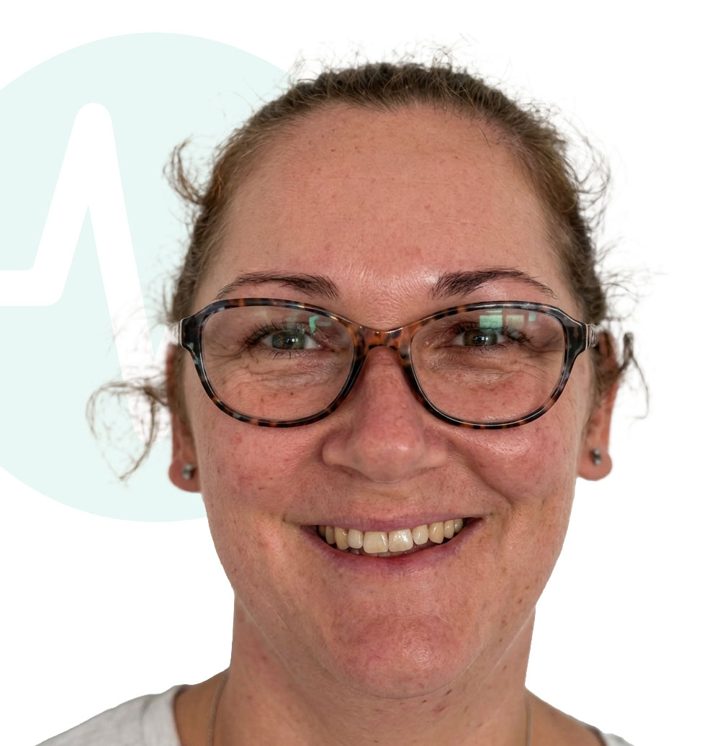
Registered nurse with emergency and paediatric experience: immunisations, women's health and chronic disease support.
Book nowA little preparation gives you and your doctor more time for what matters. Your doctor will explain the options, benefits and risks, and only examine with your consent.
Book online at any hour, or call reception from 8:00am, Monday to Friday. New patients welcome.
If yours is not here, call (02) 4006 8222 and reception will help.
Yes. GP consultations for children 15 and under are bulk billed with a valid Medicare card.
Yes. Book an appointment with the GP or practice nurse and bring the blue book.
Same-day appointments are available on most days. Call from 8:00am.
Yes. Young people can usually see a GP independently from around 14 or 15.
A catch-up schedule can be arranged. Many catch-up vaccines are free.
Yes. Some forms and reports may attract a fee; reception will let you know.
Same-day appointments are available on most days; call from 8:00am.
Yes, at routine checks and any time you have a concern.