
How cryotherapy works
Liquid nitrogen at about minus 196 degrees is sprayed or applied to the spot for a few seconds, freezing and destroying the abnormal cells.
The treated skin then blisters, crusts and peels away as healthy skin grows underneath.
Liquid nitrogen freezing treatment for sunspots, warts and some other skin lesions, done quickly in the clinic. Cryotherapy is a procedure and attracts a fee.
GP consultations are bulk billed for eligible patients with a valid Medicare card: children 15 and under, patients 65 and over with a pension or Health Care Card, and all other pension and Health Care Card holders.
Cryotherapy is a procedure.
Tap to see moreReception will confirm the cost.
FeesEach spot takes seconds.
Tap to see moreSeveral spots can be treated in one visit.
 Book nowOnline, any hour
Treated areas may blister and crust.
Tap to see moreThey usually heal in one to three weeks.
AftercareYour GP will check the spot is suitable.
Tap to see moreSome spots need a biopsy instead.
Skin checksChoose a topic to see what is involved, what it costs, the questions people ask most, and how to book.
Cryotherapy uses liquid nitrogen to freeze and destroy abnormal skin cells. It is commonly used for sunspots (solar keratoses), viral warts and some seborrhoeic keratoses.
Not every spot is suitable; your GP will check first.
It stings during and shortly after treatment.
Often, yes.
The area may sting, redden, swell and blister, then crust and heal. Keep it clean and avoid picking.
Lighter or darker marks can remain, especially on darker skin.
Yes.
Contact the clinic.
Plain-language information to help you know what to expect and make informed decisions with your GP.
Liquid nitrogen at about minus 196 degrees is sprayed or applied to the spot for a few seconds, freezing and destroying the abnormal cells.
The treated skin then blisters, crusts and peels away as healthy skin grows underneath.
Cryotherapy is commonly used for sunspots (solar keratoses), viral warts and seborrhoeic keratoses. It is not used for spots that might be skin cancer without first checking them.
Your GP examines each spot first and may recommend a biopsy instead.
The area may sting for a few minutes, then become red and swollen. A blister may form within a day, then dry into a scab that falls off in one to three weeks.
Keep the area clean, avoid picking, and protect it from the sun as it heals.
Lighter or darker skin at the treated site is common, especially in darker skin, and may be permanent. Scarring, infection and numbness are uncommon.
Warts often need several treatments a few weeks apart.
Your GP will check each spot first.
Test what you know about cryotherapy. Choose an answer to reveal the explanation.
Every skin spot can be frozen off.
Spots are checked first; some need a biopsy instead.
Blistering after cryotherapy is common.
It usually heals in one to three weeks.
Warts often need more than one treatment.
Treatments are usually a few weeks apart.
Information on this page is general, evidence-based and drawn from Australian health authorities and professional guidelines, including:
Morisset Doctors advertises its services in line with the Health Practitioner Regulation National Law and AHPRA's Guidelines for advertising a regulated health service. We do not use testimonials, offer inducements, or make claims about outcomes. Individual results and experiences vary. Please talk to your GP about your own situation.
Quick treatment.
Usually.
Reception will confirm.
For most sunspots.
Your care can involve more than one person. Choose a part of the care team to see how it fits together.
Hands and feet.
Face, hands and arms.
Healing and review.
Every GP at Morisset Doctors can help with cryotherapy. These team members list it among their interests.
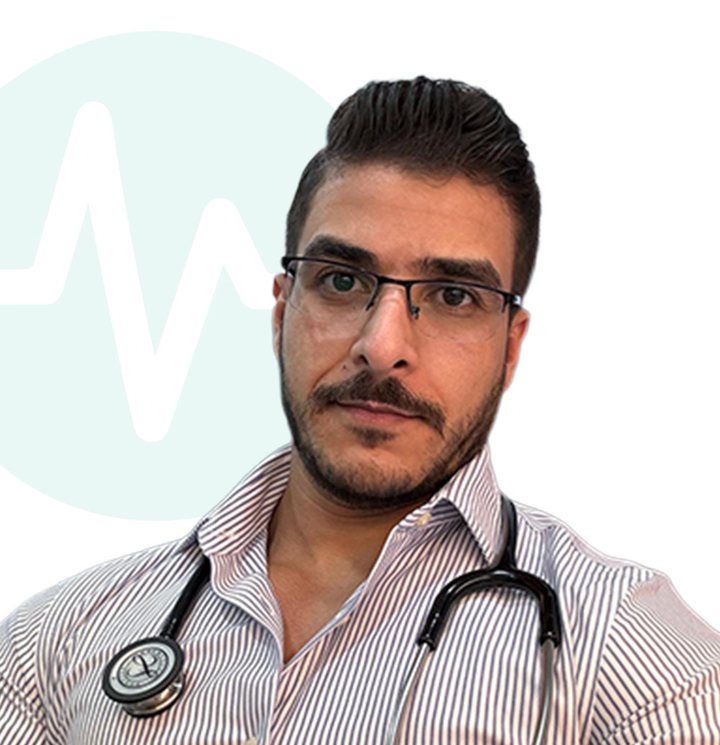
Skin checks and procedures, geriatric medicine, paediatrics, chronic conditions and men's health.
 Book now
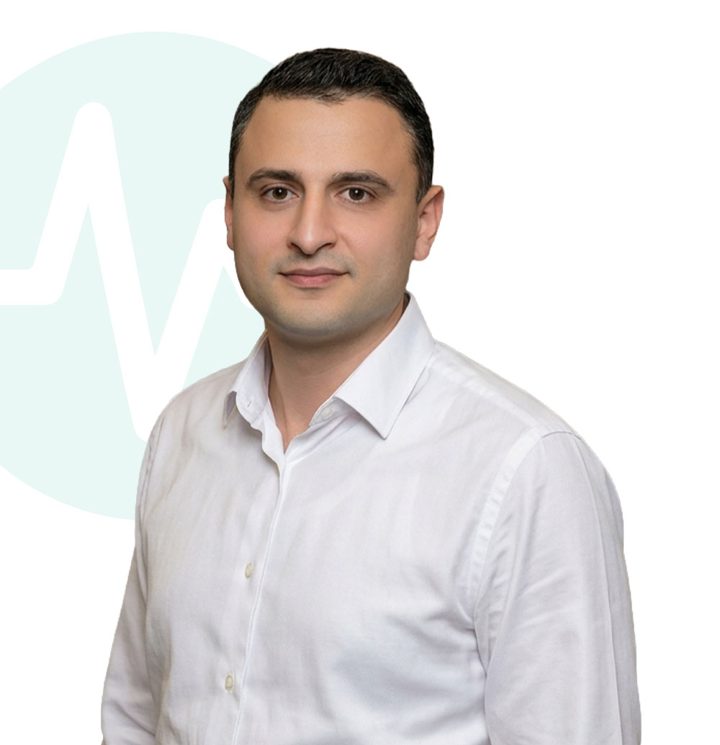
Chronic and complex care, geriatrics, mental health, skin cancer medicine and women's health.
Book now
Women's health, children's health, pregnancy care and preventive care. Taking new patients.
Book now
Women's health, paediatrics, geriatric medicine and chronic disease. Taking new patients.
Book nowA little preparation gives you and your doctor more time for what matters. Your doctor will explain the options, benefits and risks, and only examine with your consent.
Book online at any hour, or call reception from 8:00am, Monday to Friday. New patients welcome.
If yours is not here, call (02) 4006 8222 and reception will help.
No; it attracts a fee.
Usually not, but colour changes can occur.
Sometimes, for warts; your GP will advise.
Sunspots often need one; warts may need several.
Moles are not usually frozen; they may need a biopsy.
No.