

Models of pregnancy care
Options include shared care between your GP and hospital, midwife-led care, public hospital clinics and private obstetricians.
Your GP can explain local options for Lake Macquarie.
From planning a pregnancy to the first months with your baby, care with a GP who knows you. Pre-pregnancy checks, early pregnancy care, shared antenatal care, pregnancy vaccines, postnatal checks and support for the whole family.
GP consultations are bulk billed for eligible patients with a valid Medicare card: children 15 and under, patients 65 and over with a pension or Health Care Card, and all other pension and Health Care Card holders.
A pre-pregnancy check helps you start well.
Tap to see moreFolic acid, vaccinations, medicines and existing conditions can all be reviewed.
Book a pre-pregnancy checkWhooping cough, flu and RSV vaccines are recommended in pregnancy.
Tap to see moreThey help protect your baby in the first months of life.
About vaccinesPregnancy blood tests can be collected at the clinic.
Tap to see more4Cyte Pathology collects onsite, often on the day of your appointment.
Our servicesEmotional health matters as much as physical health.
Tap to see morePANDA (1300 726 306) offers free support for expecting and new parents.
Postnatal supportChoose a topic to see what is involved, what it costs, the questions people ask most, and how to book.
A pre-pregnancy check can cover folic acid and iodine, vaccinations including measles and whooping cough, medicines and existing conditions, cervical screening, and genetic carrier screening options.
Starting folic acid at least a month before conception helps reduce the risk of some birth defects.
At least one month before trying to conceive and through the first trimester.
After twelve months of trying, or six months if you are over 35.
Your GP can confirm your pregnancy, estimate your due date, arrange early blood tests and a dating ultrasound, and talk through pregnancy screening options.
You can also discuss models of care, such as shared care, midwife-led care or a private obstetrician, and book in with your chosen hospital.
Options include combined first trimester screening and non-invasive prenatal testing. Your GP can explain the choices and costs.
It should always be checked. Seek urgent help for heavy bleeding or severe pain.
In shared care, some of your pregnancy visits are with your GP and others with your hospital or midwife team, so you can be seen closer to home by someone who knows you.
Your GP checks your blood pressure, baby's growth and heartbeat, arranges tests such as the glucose tolerance test, and keeps your hospital informed.
Ask reception or your GP about shared care arrangements with your chosen hospital.
The glucose tolerance test is usually done at 24 to 28 weeks.
Whooping cough vaccine is recommended in every pregnancy, ideally between 20 and 32 weeks. Influenza vaccine can be given at any stage. An RSV vaccine is available between 28 and 36 weeks through the national program.
These vaccines are free for eligible pregnant women and pass protection to your baby in the first months of life.
Recommended pregnancy vaccines have been widely used and are recommended by Australian health authorities. Ask your GP any questions.
Your GP can advise on timing.
A postnatal check around six weeks looks at your recovery, feeding, contraception, pelvic floor, sleep and emotional wellbeing, alongside your baby's six-week check and vaccines.
It is common to feel overwhelmed after having a baby. If low mood or anxiety lasts more than two weeks, perinatal depression and anxiety are treatable, and help is available.
Yes. Partners can also experience perinatal depression and anxiety. PANDA supports both parents.
At 2 months, then 4 and 6 months.
Plain-language information to help you know what to expect and make informed decisions with your GP.
Options include shared care between your GP and hospital, midwife-led care, public hospital clinics and private obstetricians.
Your GP can explain local options for Lake Macquarie.
Routine tests check your blood group, iron, immunity and infections. Screening for chromosomal conditions is optional and your GP will explain the choices.
A morphology ultrasound is usually done around 18 to 20 weeks.
Folic acid and iodine, a healthy diet, avoiding alcohol and smoking, and safe food handling all support a healthy pregnancy.
Ask your GP before starting any new medicines or supplements.
Respiratory syncytial virus (RSV) is a common winter virus that is a leading cause of hospital admission in babies under 6 months, usually with bronchiolitis or pneumonia. A free RSV vaccine in late pregnancy passes protection to your baby, so they are protected from birth through their first months, when they are most at risk.
Move the slider to how many weeks pregnant you are.
One dose of RSV vaccine during this window.
Through the National RSV Mother and Infant Protection Program for eligible pregnant women.
Vaccination at least 2 weeks before birth gives your baby the best chance of protection.
Babies under 6 months are most likely to need hospital care for RSV.
The RSV vaccine is approved in Australia for use in pregnancy and recommended by Australian health authorities for eligible pregnant women. Your GP can talk through the benefits and possible side effects for you.
This timing allows your body to make antibodies and pass them to your baby before birth. Vaccination at least 2 weeks before birth gives the best protection.
Yes. RSV protection does not replace your baby's routine vaccines, which start from 6 weeks of age.
Yes, if it falls in the window. Book a GP or nurse appointment and let reception know it is for your RSV vaccine.
Tap a stage to see what is recommended for you and your baby, then book with the GP or practice nurse.
Wait 28 days after MMR or chickenpox vaccine before trying to conceive.
Best given as soon as the flu vaccine is available each year.
Recommended in every pregnancy, even if you had it before.
Book ahead so your appointment falls inside the window.
Your hospital or GP will check your baby's eligibility.
Book your postnatal check and baby's vaccines together.
General information based on the National Immunisation Program and the National RSV Mother and Infant Protection Program. Eligibility and timing can change; your GP or nurse will confirm what is right for you.
Many changes in pregnancy are normal, but it is always fine to ask. Seek urgent help for heavy bleeding, severe pain or reduced baby movements.
Sleep when your baby sleeps where possible.
The Australian Breastfeeding Association helpline is 1800 686 268.
Gentle exercises help recovery.
Regular meals and water help energy and feeding.
Let family and friends help with meals and chores.
Talk to your GP if you are not feeling yourself.
Book your postnatal check and your baby's 6-week vaccines together.
 Book the 6-week check
Test what you know about antenatal and postnatal care. Choose an answer to reveal the explanation.
The whooping cough vaccine is recommended in every pregnancy.
Ideally between 20 and 32 weeks.
Folic acid only matters after a positive pregnancy test.
It is best started at least a month before trying to conceive.
Low mood after a baby always passes on its own.
Perinatal depression and anxiety are common and treatable; support helps.
Information on this page is general, evidence-based and drawn from Australian health authorities and professional guidelines, including:
Morisset Doctors advertises its services in line with the Health Practitioner Regulation National Law and AHPRA's Guidelines for advertising a regulated health service. We do not use testimonials, offer inducements, or make claims about outcomes. Individual results and experiences vary. Please talk to your GP about your own situation.
Recommended in every pregnancy.
Through the national program.
For you and your baby.
At least, before trying to conceive.
Your care can involve more than one person. Choose a part of the care team to see how it fits together.
Pre-pregnancy check, folic acid, vaccines and medicines.
Confirming pregnancy, early tests, screening and model of care.
Shared care visits, diabetes test, whooping cough and RSV vaccines.
Six-week check, feeding, contraception and emotional wellbeing.
Every GP at Morisset Doctors can help with antenatal and postnatal care. These team members list it among their interests.

Women's health, children's health, pregnancy care and preventive care. Taking new patients.
Book now
Women's health, paediatrics, geriatric medicine and chronic disease. Taking new patients.
Book now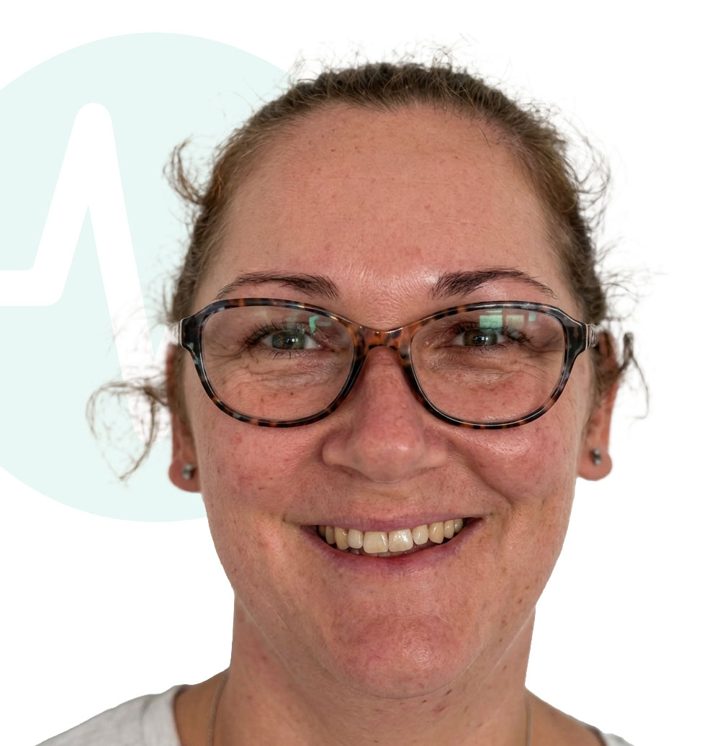
Registered nurse with emergency and paediatric experience: immunisations, women's health and chronic disease support.
Book now
Women's health, respiratory medicine, rheumatology and palliative care. Speaks English, Tamil and Sinhala. Joining December 2026.
Book nowA little preparation gives you and your doctor more time for what matters. Your doctor will explain the options, benefits and risks, and only examine with your consent.
Book online at any hour, or call reception from 8:00am, Monday to Friday. New patients welcome.
If yours is not here, call (02) 4006 8222 and reception will help.
GP consultations are bulk billed for eligible patients. Some scans and screening tests attract a cost from the provider.
Yes. Dr Alice Najjar and Dr Prishantha Sirisena are female GPs.
Ask reception or your GP about shared care with your chosen hospital.
As soon as you know you are pregnant.
4Cyte Pathology collects onsite.
Around six weeks after the birth.
Yes.
Usually between 24 and 28 weeks.