
Alcohol and your health
Alcohol increases the risk of several cancers, heart disease, liver disease, injuries and mental health problems. The less you drink, the lower your risk.
Alcohol also affects sleep, mood and medicines.
Confidential, non-judgemental support at Morisset Doctors for alcohol and other drug use, including assessment, harm reduction, help to cut down or stop, withdrawal planning and referral to local services.
GP consultations are bulk billed for eligible patients with a valid Medicare card: children 15 and under, patients 65 and over with a pension or Health Care Card, and all other pension and Health Care Card holders.
What you discuss stays private.
Tap to see moreYour GP is there to help, not judge.
 Book nowBulk billed for eligible patients
No more than 10 standard drinks a week and 4 on any one day.
Tap to see moreFewer is better for health.
Standard drinksStopping heavy drinking or some drugs suddenly can be dangerous.
Tap to see moreTalk to your GP about a safe plan.
Call receptionAlcohol and Drug Information Service NSW: 1800 250 015.
Tap to see moreFree and confidential.
Call ADISChoose a topic to see what is involved, what it costs, the questions people ask most, and how to book.
Your GP can help you look at how much and how often you drink or use, and whether it is affecting your health, mood, sleep, relationships or work.
Simple questionnaires help guide the conversation.
Regularly drinking above the guidelines increases risk.
Your record is confidential.
Setting limits, alcohol-free days, tracking drinks, changing routines and getting support all help. Medicines can reduce cravings for some people.
Counselling and support groups are available locally and online.
Yes, for some people; your GP will discuss.
For some people, yes.
If you drink heavily or use some drugs every day, stopping suddenly can cause withdrawal, which can be dangerous, including seizures.
Your GP can plan supported withdrawal at home or refer to a withdrawal service.
Shakes, sweating, anxiety, poor sleep and, in severe cases, seizures or confusion.
Sometimes, with a plan; your GP will advise.
Supporting someone who uses alcohol or drugs can be hard. Looking after yourself matters too.
Family Drug Support (1300 368 186) offers 24-hour support for families.
Choose a calm time and focus on care, not blame.
Yes, for your own support.
Plain-language information to help you know what to expect and make informed decisions with your GP.
Alcohol increases the risk of several cancers, heart disease, liver disease, injuries and mental health problems. The less you drink, the lower your risk.
Alcohol also affects sleep, mood and medicines.
If you use drugs, harm reduction means lowering the risks: not using alone, avoiding mixing substances, knowing overdose signs and carrying naloxone if you use opioids.
Free naloxone is available from many pharmacies.
Alcohol can interact with many medicines, including sedatives, pain relief, some antidepressants and diabetes medicines.
Ask your GP or pharmacist.
No alcohol is safest during pregnancy and breastfeeding, and for people under 18.
Support is available and confidential.
Add what you might drink in a typical week to see the total in standard drinks. A standard drink contains 10 grams of alcohol. Values are approximate; check the label.
The guidelines recommend no more than 10 standard drinks a week and no more than 4 on any one day.
Talk to a GP, confidentiallyUse standard drinks.
At least two a week.
With water or zero-alcohol drinks.
Food slows absorption.
Avoid triggers.
ADIS 1800 250 015.
Book a confidential appointment with any GP.
 Book confidentially
Test what you know about alcohol and other drugs. Choose an answer to reveal the explanation.
A standard drink is the same as one glass of wine.
A typical restaurant glass of wine can be 1.5 standard drinks or more.
Stopping heavy drinking suddenly can be dangerous.
Talk to your GP about a safe plan.
No alcohol is the safest choice in pregnancy.
This is the national guideline.
Information on this page is general, evidence-based and drawn from Australian health authorities and professional guidelines, including:
Morisset Doctors advertises its services in line with the Health Practitioner Regulation National Law and AHPRA's Guidelines for advertising a regulated health service. We do not use testimonials, offer inducements, or make claims about outcomes. Individual results and experiences vary. Please talk to your GP about your own situation.
Maximum a week for healthy adults.
Maximum on any one day.
Safest in pregnancy and under 18.
ADIS NSW support.
Your care can involve more than one person. Choose a part of the care team to see how it fits together.
Understanding your use.
Cutting down or stopping.
Family and friends.
Every GP at Morisset Doctors can help with alcohol and other drugs. These team members list it among their interests.
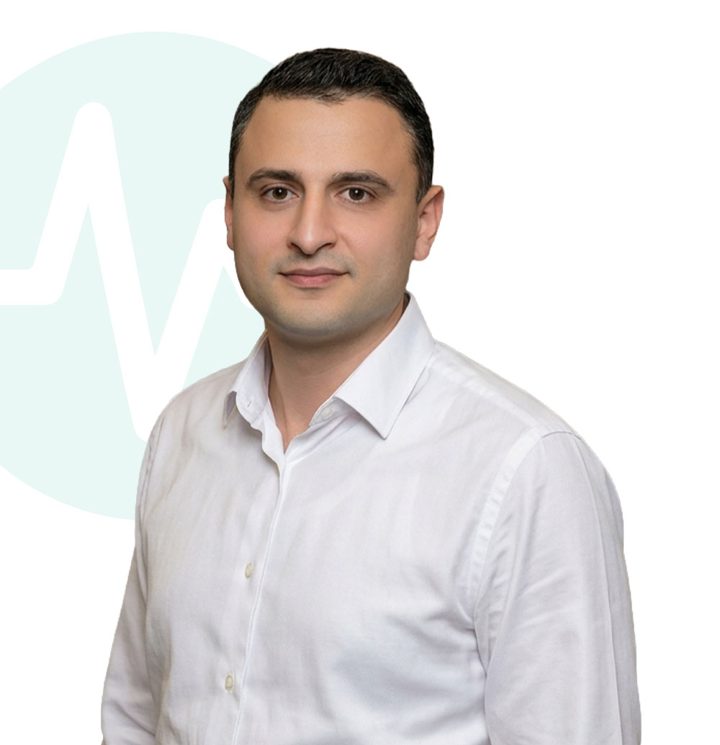
Chronic and complex care, geriatrics, mental health, skin cancer medicine and women's health.
Book now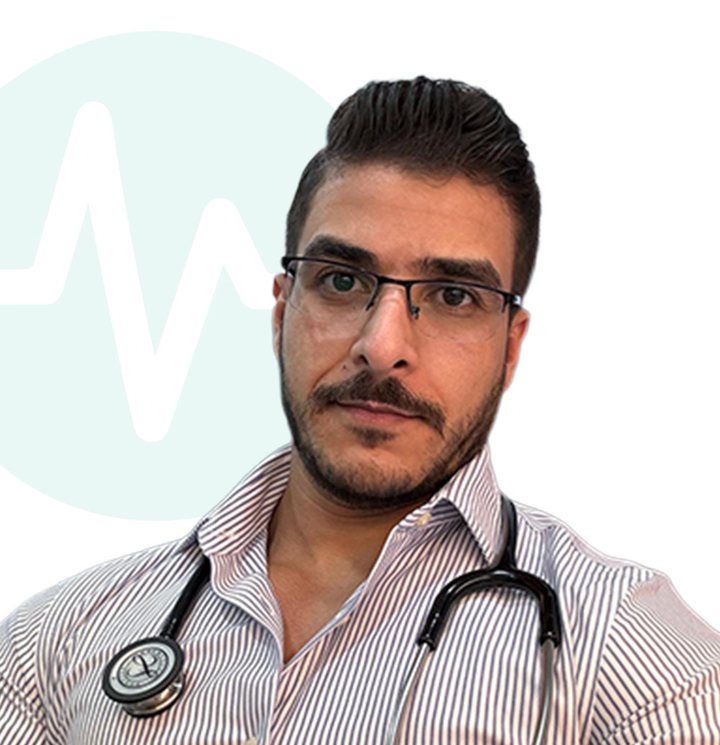
Skin checks and procedures, geriatric medicine, paediatrics, chronic conditions and men's health.
Book now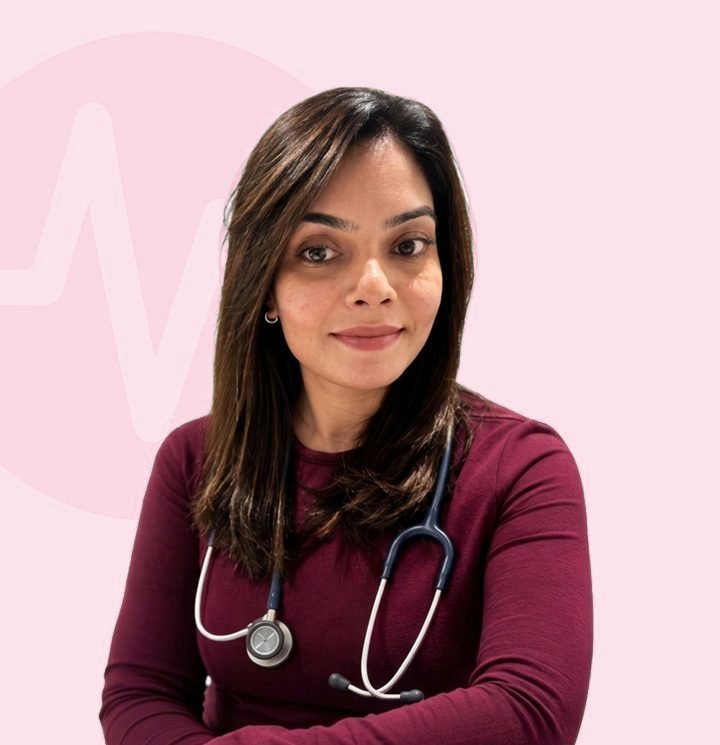
Women's health, paediatrics, geriatric medicine and chronic disease. Taking new patients.
Book now
Women's health, children's health, pregnancy care and preventive care. Taking new patients.
Book now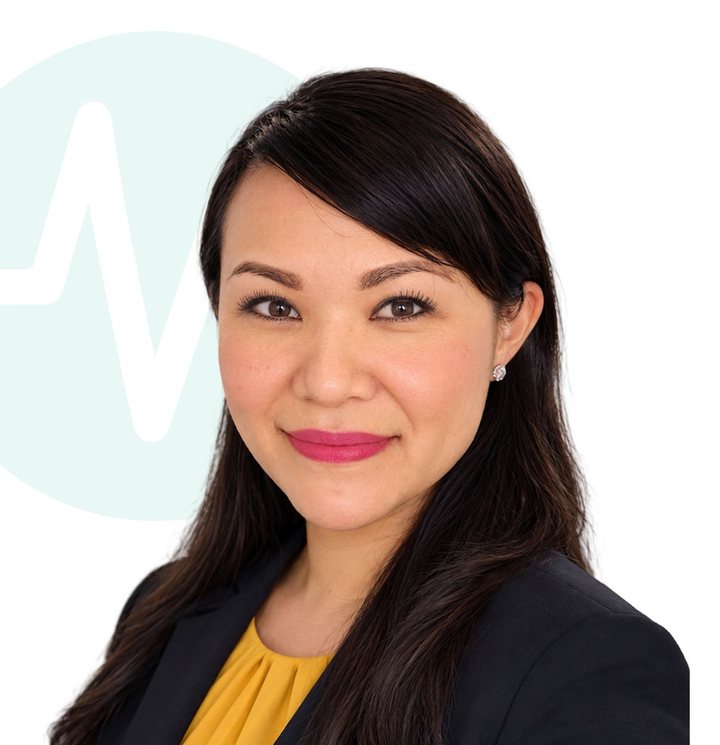
Holistic, evidence-based care with an international perspective, for patients from diverse cultural backgrounds.
Book nowA little preparation gives you and your doctor more time for what matters. Your doctor will explain the options, benefits and risks, and only examine with your consent.
Book online at any hour, or call reception from 8:00am, Monday to Friday. New patients welcome.
If yours is not here, call (02) 4006 8222 and reception will help.
Yes.
Consultations are bulk billed for eligible patients.
Yes, with a plan or referral.
10 grams of alcohol; see the calculator above.
Yes.
Yes, including Family Drug Support.