Open Monday to Friday, 8:00am to 5:00pmShop 5, 35 Yambo Street, Morisset NSW 2264Call (02) 4006 8222Same-day appointmentsBulk billed for eligible patients4Cyte Pathology onsiteNew patients welcomeOpen Monday to Friday, 8:00am to 5:00pmShop 5, 35 Yambo Street, Morisset NSW 2264Call (02) 4006 8222Same-day appointmentsBulk billed for eligible patients4Cyte Pathology onsiteNew patients welcome

Biopsies and minor excisions, done in the clinic

Removal or sampling of skin lesions, lumps and cysts under local anaesthetic at Morisset Doctors, with samples sent to pathology and results followed up with you. These procedures attract a fee.

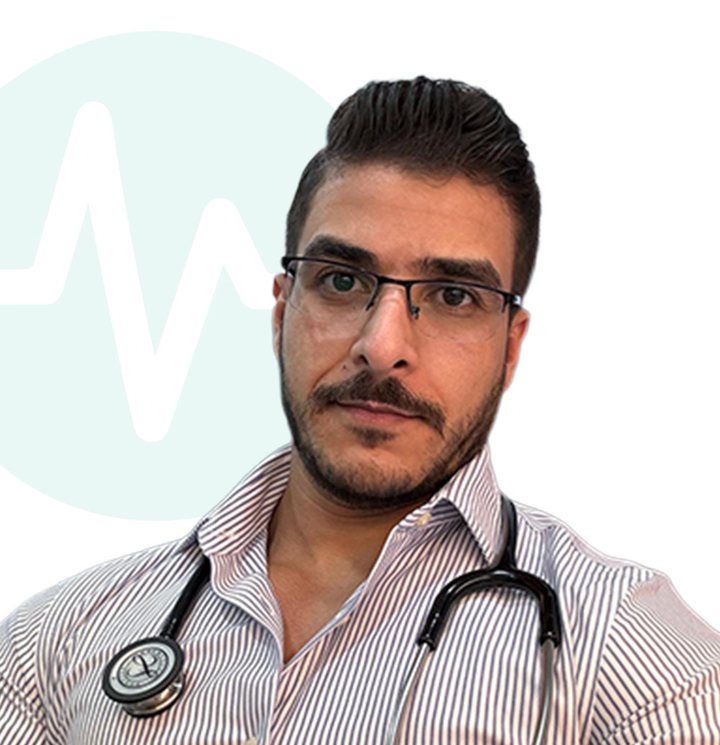
Dr Ali Zubaidy
GP and directorDr Ali ZubaidyBook now
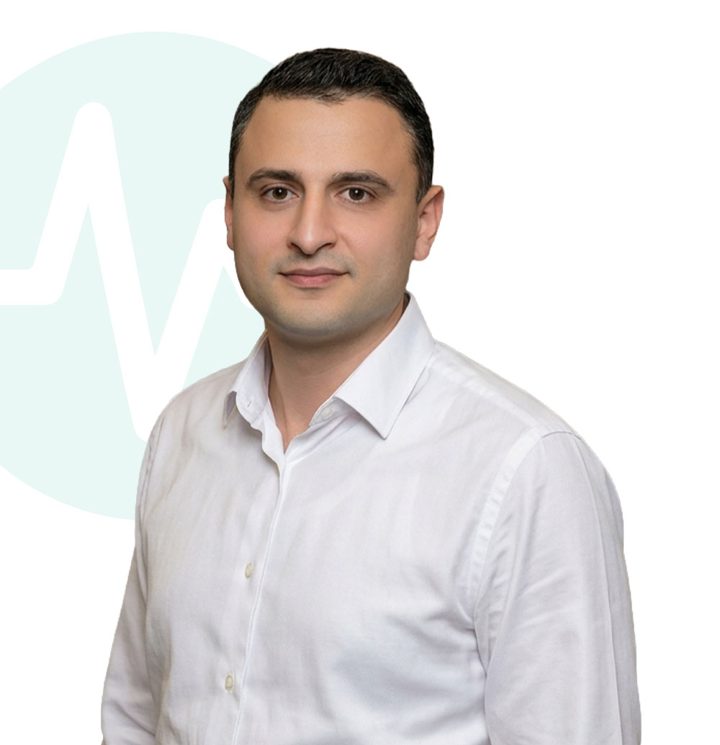
Dr Mofada Hadi
GP FellowDr Mofada HadiBook now
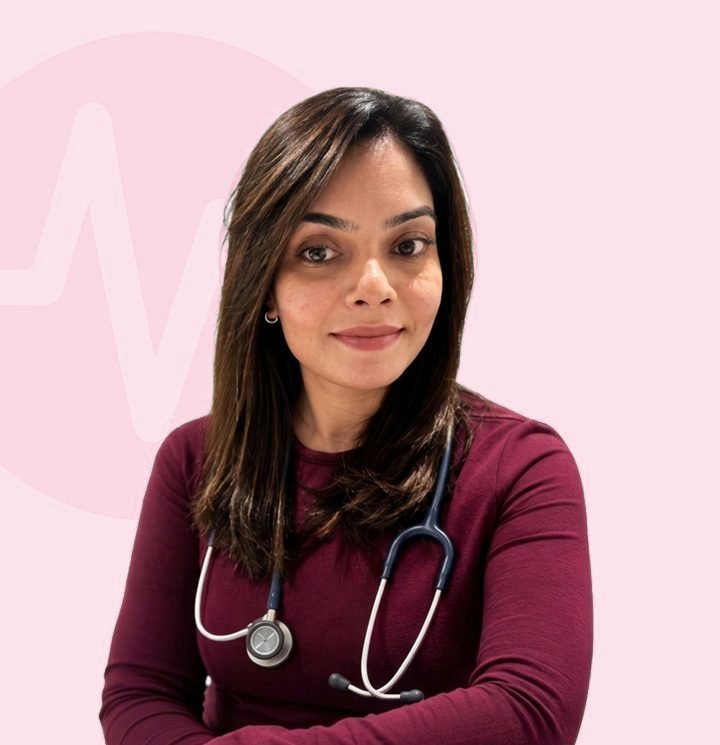
Dr Alice Najjar
General practitionerDr Alice NajjarBook now
Dr Prishantha Sirisena
GP registrarDr Prishantha SirisenaBook now
We are a Medicare Bulk Billing Practice

GP consultations are bulk billed for eligible patients with a valid Medicare card: children 15 and under, patients 65 and over with a pension or Health Care Card, and all other pension and Health Care Card holders.

Fees and eligibility

Good to know before you book

01A fee applies

Procedures are not bulk billed.

Tap to see more

Reception will confirm the cost.

Fees
02Tell us about blood thinners

Some medicines affect bleeding.

Tap to see more

Do not stop them without advice.

Call reception
03Plan for the dressing

Keep the area clean and dry as advised.

Tap to see more

Most people return to normal activities quickly.

Aftercare
04Results follow-up

Samples go to pathology.

Tap to see more

Book a follow-up to discuss results.

Results

Find the care that fits

Choose a topic to see what is involved, what it costs, the questions people ask most, and how to book.

Taking a sample

Skin biopsies

A biopsy removes a small sample of skin to find out what a spot is. Common types are punch, shave and excisional biopsies.

It is done under local anaesthetic and usually takes a few minutes.

  1. 1Consultation
  2. 2Local anaesthetic
  3. 3Sample taken
  4. 4Results in a few days
What it costsThis procedure attracts a fee. Reception will confirm the cost before your appointment.
Does it hurt?

The local anaesthetic stings briefly; then it should be comfortable.

Will I need stitches?

Sometimes, depending on the type.

Removing a lesion

Minor excisions

A small excision removes a whole spot or lump, such as a skin cancer, cyst or lipoma, with stitches to close the wound.

Larger or complex lesions may be referred to a specialist.

  1. 1Assessment
  2. 2Book procedure
  3. 3Excision and stitches
  4. 4Stitch removal and results
What it costsThis procedure attracts a fee. Reception will confirm the cost before your appointment.
When are stitches removed?

Usually after 5 to 14 days, depending on the site.

Will it scar?

There will be a small scar; your GP will explain.

Looking after the wound

Aftercare

Keep the dressing clean and dry as advised, watch for redness, swelling, pus or fever, and come back for stitch removal and results.

Contact the clinic if you are worried about the wound.

  1. 1Keep it clean and dry
  2. 2Watch for infection
  3. 3Stitch removal
  4. 4Results discussion
What it costsConsultations are bulk billed for eligible patients with a valid Medicare card.
What are signs of infection?

Increasing redness, warmth, swelling, pus or fever.

Can I shower?

Your GP will advise when.

Understanding biopsies and minor excisions

Plain-language information to help you know what to expect and make informed decisions with your GP.

Punch biopsy

A small circular blade, usually 3 to 6 mm, removes a core of skin. One or two stitches may be needed.

Shave biopsy

A raised spot is shaved off level with the skin. It usually heals without stitches.

Excision

The whole spot is removed with a margin of normal skin in a thin ellipse, then closed with stitches in a neat line.

01

What is a skin biopsy?

A biopsy removes a small piece of skin, or a whole spot, so it can be examined under a microscope by a pathologist. It is the only way to know for certain what a spot is.

Biopsies are commonly used to check moles, scaly patches, sores that do not heal and lumps under the skin.

02

Types of biopsy

A punch biopsy uses a small circular blade, usually 3 to 6 mm, to take a core of skin; one or two stitches may be needed. A shave biopsy removes a raised spot level with the skin and usually heals without stitches.

An excisional biopsy removes the whole spot with a small margin of normal skin and is closed with stitches. An incisional biopsy removes part of a larger area. Your GP will explain which suits your spot and why.

03

Minor excisions

A minor excision removes a skin cancer, cyst, lipoma or other lesion completely. The wound is usually shaped as a thin ellipse so it closes neatly in a straight line.

Lesions on the face, near the eyes or lips, or that are large or deep may be referred to a dermatologist or plastic surgeon.

04

Preparing for your procedure

Tell your GP about blood thinners, aspirin, fish oil and supplements, allergies to local anaesthetic, dressings or tape, and any history of poor healing or keloid scars. Do not stop prescribed medicines unless your doctor advises.

Eat normally, wear comfortable clothing that gives easy access to the area, and plan to avoid heavy exercise for a few days if the area is under tension.

05

On the day

Your GP confirms the spot, cleans the skin and injects local anaesthetic, which stings for a few seconds and then numbs the area. You will feel pressure but should not feel sharp pain.

The procedure usually takes 15 to 30 minutes, including stitching and dressing. You can usually drive home and return to most normal activities the same day.

06

Risks and side effects

All procedures leave a scar, which usually fades over months. Other possible risks include bleeding, bruising, infection, the wound opening, numbness and, rarely, a raised or thickened scar.

Your GP will explain the risks for your site and how to reduce them.

07

Aftercare and stitch removal

Keep the dressing on and dry for 24 to 48 hours, then follow your wound care instructions. Avoid stretching the area, swimming and heavy lifting until the stitches are out.

Stitches are usually removed after about 5 to 7 days on the face, 7 to 10 days on the body and 10 to 14 days on the legs, back or feet.

08

Results

The sample is sent to pathology, and results usually take a few days to a week. Book a follow-up appointment to discuss them.

If the result shows a skin cancer, your GP will explain whether the margins are clear and whether further treatment or a specialist referral is needed.


Is this right for me?

A general guide; your GP will advise.

A spot is changing

A biopsy or excision may be recommended.

Next stepBook a skin check first.
I have a lump under the skin

Many are cysts or lipomas; your GP will assess.

Next stepBook an appointment.
I take blood thinners

Tell your GP; do not stop medicines without advice.

Next stepCall reception before your procedure.
My wound looks red

Signs of infection need review.

Next stepCall the clinic or book same day.

Myth or fact?

Test what you know about biopsies and minor excisions. Choose an answer to reveal the explanation.

01

A biopsy is the only way to know for certain what a spot is.

A pathologist examines the sample under a microscope.

02

All procedures leave a scar.

Scars usually fade over months; your GP will explain what to expect.

03

You should stop blood thinners before a procedure.

Never stop prescribed medicines without your doctor's advice.

0 of 3 answered
Evidence, sources and advertising standards

Information on this page is general, evidence-based and drawn from Australian health authorities and professional guidelines, including:

Morisset Doctors advertises its services in line with the Health Practitioner Regulation National Law and AHPRA's Guidelines for advertising a regulated health service. We do not use testimonials, offer inducements, or make claims about outcomes. Individual results and experiences vary. Please talk to your GP about your own situation.

The numbers worth knowing

0Small procedure

Under local anaesthetic.

5–14Days to stitch removal

Depending on the site.

DaysFor results

From pathology.

FeeApplies

Reception will confirm.

Everyone involved, around you

Your care can involve more than one person. Choose a part of the care team to see how it fits together.

Youat the centre of your care

Biopsies and minor excisions at every stage

A spot or lump is checked.

Biopsy or excision.

Aftercare and results.

Who can help

Every GP at Morisset Doctors can help with biopsies and minor excisions. These team members list it among their interests.

Dr Ali Zubaidy
GP and directorDr Ali Zubaidy

Skin checks and procedures, geriatric medicine, paediatrics, chronic conditions and men's health.

Book now
Dr Mofada Hadi
GP FellowDr Mofada Hadi

Chronic and complex care, geriatrics, mental health, skin cancer medicine and women's health.

Book now
Dr Alice Najjar
General practitionerDr Alice Najjar

Women's health, children's health, pregnancy care and preventive care. Taking new patients.

Book now
Dr Prishantha Sirisena
GP registrarDr Prishantha Sirisena

Women's health, paediatrics, geriatric medicine and chronic disease. Taking new patients.

Book now

Make the most of your appointment

A little preparation gives you and your doctor more time for what matters. Your doctor will explain the options, benefits and risks, and only examine with your consent.

What to bring0 of 6 ready

Your health, your choice

Book online at any hour, or call reception from 8:00am, Monday to Friday. New patients welcome.

Biopsies and minor excisions questions, answered

If yours is not here, call (02) 4006 8222 and reception will help.

Are biopsies bulk billed?

No; procedures attract a fee.

How long does a biopsy take?

Usually a few minutes.

Can I drive afterwards?

Usually yes, unless advised otherwise.

When will I get results?

Usually within a few days to a week.

Do I need a referral?

No.

Can cysts be removed?

Many small cysts can; your GP will advise.

Book biopsies and minor excisionsHotDocCall