



Open Monday to Friday, 8:00am to 5:00pmShop 5, 35 Yambo Street, Morisset NSW 2264Call (02) 4006 8222Same-day appointmentsBulk billed for eligible patients4Cyte Pathology onsiteNew patients welcomeOpen Monday to Friday, 8:00am to 5:00pmShop 5, 35 Yambo Street, Morisset NSW 2264Call (02) 4006 8222Same-day appointmentsBulk billed for eligible patients4Cyte Pathology onsiteNew patients welcome

Skin cancer checks, head to toe

Thorough skin checks with a dermatoscope for people across Morisset and Lake Macquarie, including spots you cannot see yourself, with monitoring, biopsies and removal available in the clinic. Skin cancer checks attract a fee.

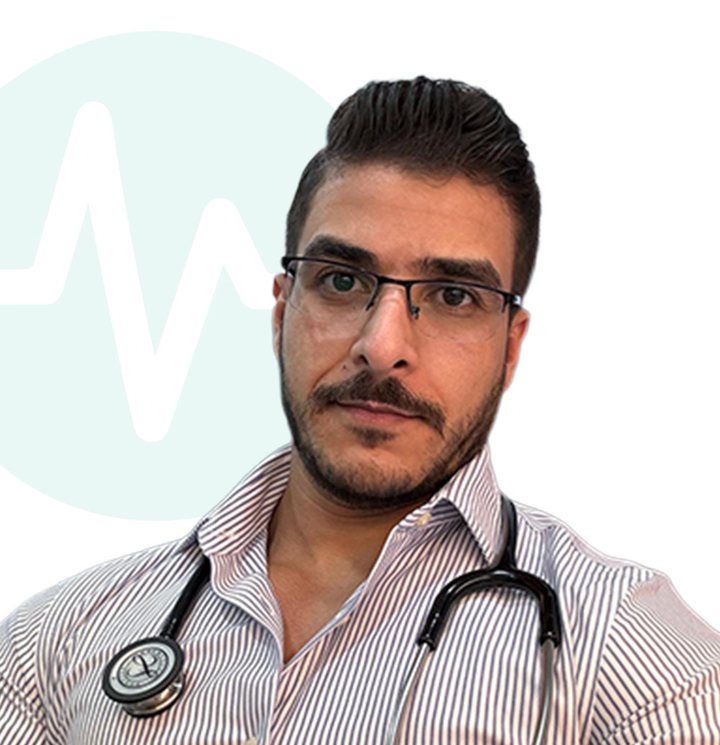
Dr Ali Zubaidy
GP and directorDr Ali ZubaidyBook now
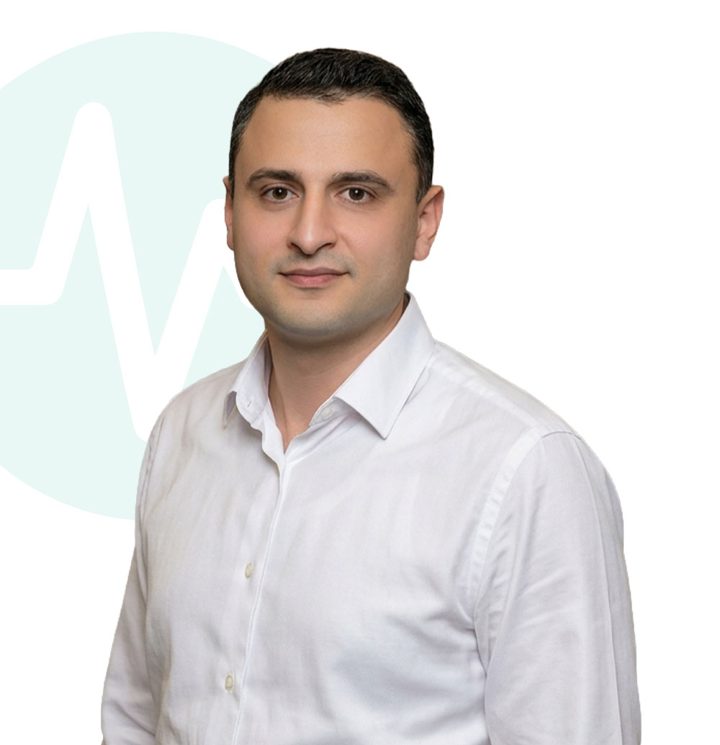
Dr Mofada Hadi
GP FellowDr Mofada HadiBook now
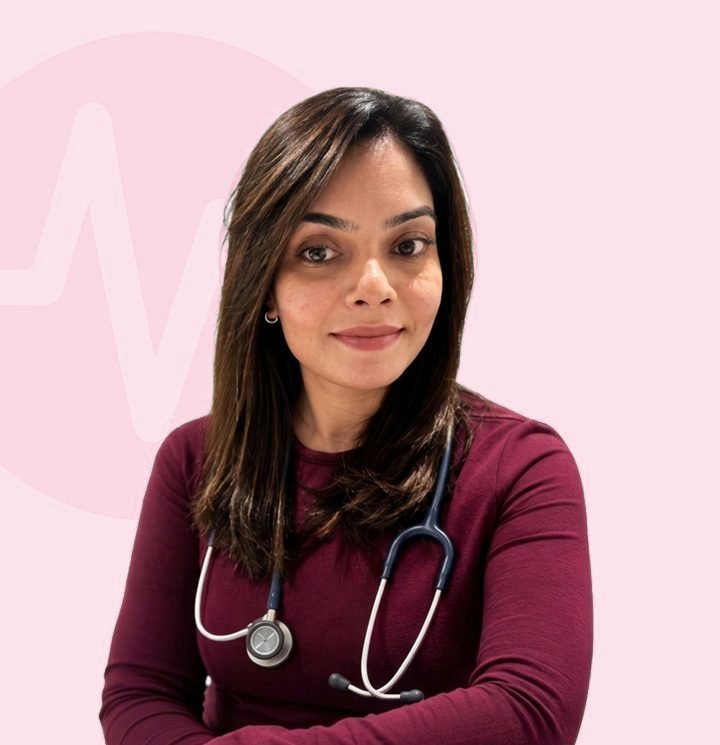
Dr Alice Najjar
General practitionerDr Alice NajjarBook now
Dr Prishantha Sirisena
GP registrarDr Prishantha SirisenaBook now
We are a Medicare Bulk Billing Practice

GP consultations are bulk billed for eligible patients with a valid Medicare card: children 15 and under, patients 65 and over with a pension or Health Care Card, and all other pension and Health Care Card holders.

Fees and eligibility

Good to know before you book

01A fee applies

Skin cancer checks are a private service at Morisset Doctors.

Tap to see more

Reception will confirm the cost before you book.

Fees
02Book a longer appointment

A full skin check takes more time than a standard visit.

Tap to see more

Mention it is a skin check when booking.

Call (02) 4006 8222
03Remove nail polish and makeup

Over any areas you would like checked.

Tap to see more

It helps your GP see spots clearly.

What to bring
04Point out new spots

Tell your GP about anything that has changed.

Tap to see more

Photos of changes over time help.

HotDocBook nowOnline, any hour

Find the care that fits

Choose a topic to see what is involved, what it costs, the questions people ask most, and how to book.

What happens

Full skin checks

Your GP asks about your history and sun exposure, then examines your skin from head to toe, including the scalp, back and soles of the feet, using a dermatoscope to look closely at moles and spots.

Suspicious spots can be photographed for monitoring, sampled or removed.

  1. 1Book a long appointment
  2. 2History and sun exposure
  3. 3Head-to-toe examination with a dermatoscope
  4. 4Plan and recall date
What it costsThis procedure attracts a fee. Reception will confirm the cost before your appointment.
How often should I have a skin check?

It depends on your risk; your GP will advise a recall.

Will I need to undress?

To your underwear, with a gown or sheet, and only with your consent.

A spot you are worried about

Single spot checks

If one spot has changed in size, shape or colour, or bleeds or itches, book promptly rather than waiting for a full check.

Your GP will examine it and advise whether to monitor, sample or remove it.

  1. 1Book promptly
  2. 2Examination
  3. 3Monitor, biopsy or removal
  4. 4Results and follow-up
What it costsThis procedure attracts a fee. Reception will confirm the cost before your appointment.
What signs are worrying?

A new spot, or one that changes in size, shape or colour, or bleeds.

Can it be removed the same day?

Sometimes; otherwise a procedure appointment is booked.

Who should be checked

Your risk

Higher risk includes fair skin that burns, many moles, a history of sunburn, outdoor work, a personal or family history of skin cancer, and older age.

Regular checks plus sun protection are the best approach.

  1. 1Know your risk
  2. 2Check your skin at home
  3. 3Book regular checks
  4. 4Protect your skin
What it costsThis procedure attracts a fee. Reception will confirm the cost before your appointment.
Should children have skin checks?

Not routinely, but see a GP about any changing mole.

Do you check sunspots?

Yes, and can treat them with freezing.

Understanding skin cancer checks

Plain-language information to help you know what to expect and make informed decisions with your GP.

01

Why skin checks matter

Australia has one of the highest rates of skin cancer in the world, and most cases are caused by UV exposure. Found early, most skin cancers can be treated successfully, often with a simple procedure.

Regular checks are especially important for people with fair skin, many moles, a history of sunburn or skin cancer, or outdoor work.

02

What a dermatoscope does

A dermatoscope is a handheld magnifier with a light that lets your GP see patterns beneath the skin surface that are not visible to the naked eye.

It improves the accuracy of skin checks and helps avoid unnecessary removal of harmless spots.

03

How to check your own skin

Check your skin every few months in good light, using a mirror for hard-to-see areas or asking someone to help. Include the scalp, ears, soles, between the toes and under the nails.

Look for new spots and changes in existing ones, using the ABCDE guide. Photos on your phone help you compare over time.

04

What happens if a spot looks suspicious

Your GP may photograph the spot to monitor it, or recommend a biopsy or removal. Some spots, such as sunspots, can be treated with freezing.

Results and next steps are explained at a follow-up appointment.

05

Costs

Skin cancer checks are a private service at Morisset Doctors and attract a fee. Procedures such as biopsies and excisions also attract a fee.

Some procedure items have a Medicare rebate; reception can explain what to expect.

The ABCDE of moles

A simple guide to checking your own skin. Tap each letter to compare a typical mole with one that should be checked. Drag or hover over the moles to turn them. If you notice any of these signs, or anything new or changing, book a skin check.

Usually harmless
Get it checked
A

Asymmetry

One half does not match the other.

A common mole is usually round or oval and even on both sides. A spot where one half looks different from the other is worth checking.

Usually harmless
Get it checked
B

Border

The edge is irregular, blurred or notched.

Harmless moles usually have a smooth, even border. Ragged, scalloped or poorly defined edges can be a warning sign.

Usually harmless
Get it checked
C

Colour

More than one colour, or uneven shading.

Most moles are one even shade of brown. Several colours, such as black, brown, red, white or blue-grey, or patchy shading should be checked.

Usually harmless
Get it checked
D

Diameter

Larger than about 6 mm, or growing.

Many melanomas are larger than 6 mm (about the size of a pencil eraser) when found, but they can be smaller. Any spot that is growing should be checked.

Usually harmless
Get it checked
E

Evolving

Changing in size, shape, colour or feel.

Change is the most important sign. A spot that grows, changes shape or colour, becomes raised, itches, bleeds or crusts needs a prompt check.

This guide is general information to help you notice changes. It is not a diagnosis; only a doctor can assess a spot.

Types of skin cancer

Most skin cancers are treatable when found early.

01MelanomaTap for details
Melanoma
Looks like
A new or changing mole, often dark or multi-coloured.
When to see a GP
Promptly, for any changing spot.
Treatment
Removal and specialist care if needed.
02Basal cell carcinomaTap for details
Basal cell carcinoma
Looks like
A pearly lump or scaly red patch that bleeds.
When to see a GP
When a sore does not heal.
Treatment
Removal or other treatments.
03Squamous cell carcinomaTap for details
Squamous cell carcinoma
Looks like
A thickened, scaly or tender spot that grows.
When to see a GP
Promptly.
Treatment
Removal.
04SunspotsTap for details
Sunspots
Looks like
Rough, scaly patches on sun-exposed skin.
When to see a GP
For checking and treatment.
Treatment
Freezing or creams.

Slip, slop, slap, seek, slide

Use all five steps together whenever the UV index is 3 or above. Move the UV slider to see what Lake Macquarie days can look like, then tap a card for tips.

UV index6High
LowModerateHighVery highExtreme

Slipon sun-protective clothingTap for tips
Slip on sun-protective clothing

Cover as much skin as possible with loose, long-sleeved clothing, collars and closely woven fabric. Swim shirts are great at the beach or pool.

Slopon SPF 30+ sunscreenTap for tips
Slop on SPF 30+ sunscreen

Use broad-spectrum, water-resistant SPF 30 or higher, 20 minutes before going outside, and reapply every two hours and after swimming or sweating. Most adults need about a teaspoon per limb.

Slapon a broad-brimmed hatTap for tips
Slap on a broad-brimmed hat

Choose a broad-brimmed, legionnaire or bucket hat that shades the face, ears and neck. Caps leave the ears and neck exposed.

SeekshadeTap for tips
Seek shade

Use trees, umbrellas and shade structures, especially in the middle of the day when UV is usually highest. Shade alone does not block all UV, so combine it with the other steps.

Slideon sunglassesTap for tips
Slide on sunglasses

Wraparound sunglasses that meet the Australian Standard (category 2, 3 or 4) protect your eyes and the skin around them.

Check your skin every few months

Get to know your skin and look for anything new or changing. If something worries you, book a skin check at Yambo Street.

Book a skin check

Myth or fact?

Test what you know about skin cancer checks. Choose an answer to reveal the explanation.

01

You only need to check moles you can see.

Check everywhere, including the scalp, soles and between the toes, or ask someone to help.

02

Skin cancer can occur in skin not usually exposed to the sun.

Which is why full skin checks look everywhere.

03

A tan protects you from skin cancer.

A tan is a sign of skin damage.

0 of 3 answered
Evidence, sources and advertising standards

Information on this page is general, evidence-based and drawn from Australian health authorities and professional guidelines, including:

Morisset Doctors advertises its services in line with the Health Practitioner Regulation National Law and AHPRA's Guidelines for advertising a regulated health service. We do not use testimonials, offer inducements, or make claims about outcomes. Individual results and experiences vary. Please talk to your GP about your own situation.

The numbers worth knowing

0In 3 Australians

Will be diagnosed with skin cancer in their lifetime.

0mm

Moles larger than this, or growing, should be checked.

0+SPF or higher

Broad-spectrum, reapplied every 2 hours.

0+UV index

Protect your skin when 3 or above.

Everyone involved, around you

Your care can involve more than one person. Choose a part of the care team to see how it fits together.

Youat the centre of your care

Skin cancer checks at every stage

Sun safety and changing moles.

Regular checks as sun damage adds up.

More frequent checks and sunspot treatment.

Who can help

Every GP at Morisset Doctors can help with skin cancer checks. These team members list it among their interests.

Dr Ali Zubaidy
GP and directorDr Ali Zubaidy

Skin checks and procedures, geriatric medicine, paediatrics, chronic conditions and men's health.

Book now
Dr Mofada Hadi
GP FellowDr Mofada Hadi

Chronic and complex care, geriatrics, mental health, skin cancer medicine and women's health.

Book now
Dr Alice Najjar
General practitionerDr Alice Najjar

Women's health, children's health, pregnancy care and preventive care. Taking new patients.

Book now
Dr Prishantha Sirisena
GP registrarDr Prishantha Sirisena

Women's health, paediatrics, geriatric medicine and chronic disease. Taking new patients.

Book now

Make the most of your appointment

A little preparation gives you and your doctor more time for what matters. Your doctor will explain the options, benefits and risks, and only examine with your consent.

What to bring0 of 6 ready

Your health, your choice

Book online at any hour, or call reception from 8:00am, Monday to Friday. New patients welcome.

Skin cancer checks questions, answered

If yours is not here, call (02) 4006 8222 and reception will help.

Are skin checks bulk billed?

No. Skin cancer checks attract a fee at Morisset Doctors.

How long does a skin check take?

Allow a longer appointment.

Can spots be removed here?

Yes; procedures attract a fee.

Do you use a dermatoscope?

Yes.

How often should I have a check?

Your GP will advise based on your risk.

Do I need a referral?

No.

Book skin cancer checksHotDocCall