Respectful, unhurried care for women and girls across Morisset and Lake Macquarie, from your first period to pregnancy, menopause and beyond. See a female GP close to home, with pathology onsite.
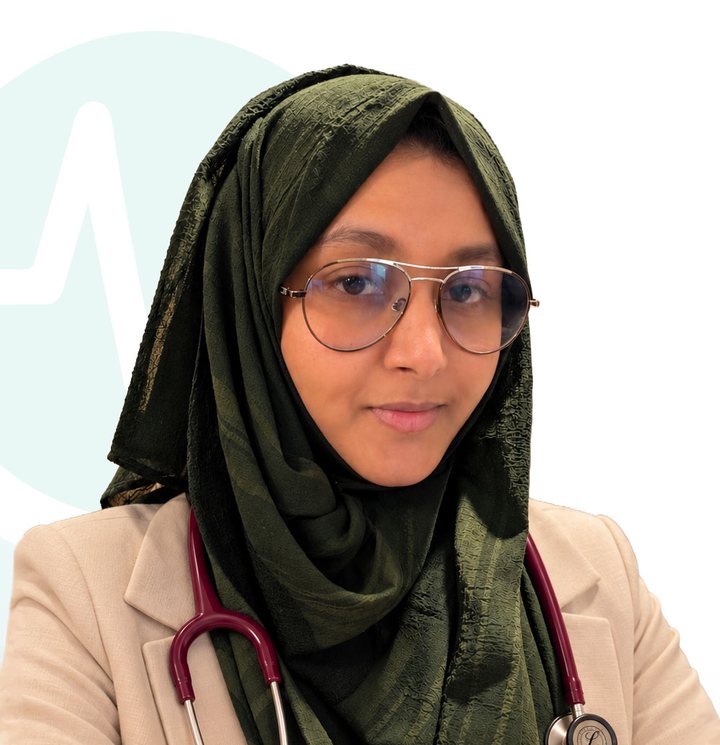
GP registrar, joining December 2026Dr Mohamed Naim HafsahBook now
We are a Medicare Bulk Billing Practice
GP consultations are bulk billed for eligible patients with a valid Medicare card: children 15 and under, patients 65 and over with a pension or Health Care Card, and all other pension and Health Care Card holders.
Choose a topic to see what is involved, what it costs, the questions people ask most, and how to book.
Including self-collection
Cervical screening
The Cervical Screening Test checks for human papillomavirus (HPV), which can cause slow changes to the cervix over many years. If you have a cervix and are aged 25 to 74, screening is recommended every five years when your results have been normal.
You can choose to collect your own sample in private with a simple swab, with no speculum examination, or have the sample collected by your doctor. Both are accurate for screening.
1Book with the doctor you prefer
2Choose self-collection or a clinician-collected sample
3Results are sent to your doctor
4You are reminded when your next test is due
What it costsCervical screening attracts a fee at Morisset Doctors. Reception will confirm the cost before your appointment.
When is self-collection not suitable?
Self-collection is for screening when you have no symptoms. Unusual bleeding, bleeding after sex, pelvic pain or unusual discharge need an assessment, so book an appointment to talk it through.
What happens if HPV is found?
It depends on the type. Some results lead to a referral for a closer look at the cervix (colposcopy) and others to a repeat test. Finding HPV is not a cancer diagnosis.
Do I still need screening after the HPV vaccine or menopause?
Yes. Screening is still recommended after HPV vaccination, after menopause and if you are no longer sexually active.
The right contraception depends on your health, your plans for pregnancy, how much you want to think about it day to day, and how it affects your periods.
Options include the combined and progestogen-only pill, the vaginal ring, the injection, the contraceptive implant, hormonal and copper IUDs, condoms and emergency contraception.
1Talk through your health and preferences
2Compare how each option works and its effectiveness
3Choose a method, with time to decide
4Review how it is suiting you
What it costsContraception consultations are bulk billed for eligible patients. Devices, medicines and procedures, such as implant insertion, may attract a cost; reception will tell you first.
Which methods are most effective?
Long-acting reversible methods, the implant and IUDs, are the most effective because there is no daily dose to remember.
Will contraception affect my fertility later?
For most methods fertility returns soon after stopping. After the injection it can take longer, which is worth knowing if pregnancy is in your plans.
Can contraception help with heavy or painful periods?
Some methods can make periods lighter and less painful. You can raise both at the same appointment.
Do you insert implants and IUDs?
Ask reception which doctors offer implant and IUD insertion and removal, and the appointment length needed.
Heavy, painful or irregular periods are common, but they are not something you simply have to put up with, especially if they affect work, school or daily life.
Your doctor can look for causes such as iron deficiency, fibroids, polycystic ovary syndrome (PCOS) or endometriosis, and talk through ways to manage symptoms.
1Describe your cycle and symptoms
2Examination and blood tests if needed
3Ultrasound or referral where appropriate
4A plan that fits your life
What it costsConsultations are bulk billed for eligible patients. Imaging and specialist fees are set by those providers.
What might endometriosis feel like?
Pain that starts before bleeding and lasts beyond it, pain with sex, pain with bowel motions or passing urine around your period, and tiredness. Pain not eased by usual pain relief should be checked.
What is PCOS?
Polycystic ovary syndrome can cause irregular or absent periods, acne, extra hair growth and difficulty with weight, and affects long-term health, so it is worth diagnosing early.
Should I have my iron checked?
If your periods are heavy or you are tired in a way sleep does not fix, ask about iron studies. Low iron is common and treatable. Blood tests can be collected onsite.
A pre-pregnancy check can cover folic acid and iodine, vaccinations, medicines and existing conditions. Once you are pregnant, your GP can arrange early tests and scans, discuss screening options and help you choose your model of care.
After the birth, a postnatal check around six weeks looks at your recovery, feeding, contraception, pelvic floor, sleep and emotional wellbeing.
1Pre-pregnancy check
2Confirming pregnancy and early tests
3Shared care with your hospital or midwife team
4Postnatal check and support
What it costsGP consultations are bulk billed for eligible patients. Some pathology and imaging may carry a cost, and you will be told before anything is ordered.
When should I start folic acid?
At least a month before trying to conceive and through the first trimester.
What about my current medicines?
Bring a list of everything you take, including supplements. Do not stop anything without talking to your doctor first.
We have been trying for a while. When should we get checked?
Generally after twelve months of trying, or six months if you are over 35. Investigations involve both partners.
Which vaccines are recommended in pregnancy?
Whooping cough, influenza and RSV vaccines are recommended during pregnancy and help protect your baby in the first months of life.
Perimenopause can begin in your 40s, bringing hot flushes, night sweats, poor sleep, mood changes, brain fog, joint aches and changes to your periods.
There are a range of options, from sleep, exercise and alcohol through to medical and non-medical treatments. What suits you depends on your symptoms and your health history.
1Book a longer appointment
2Talk through your symptoms and history
3Discuss the options, benefits and risks
4Review heart, bone and screening health
What it costsConsultations are bulk billed for eligible patients. Ask for a long appointment when booking.
How do I know if it is perimenopause?
Usually from your age, cycle changes and symptoms. Hormone levels fluctuate so much that a single blood test is often not helpful.
Do I still need contraception?
Usually yes, for a time after your last period. How long depends on your age.
Can I bring a list?
Please do. A written list of symptoms makes a longer appointment more productive.
Get to know how your breasts normally look and feel, and see a doctor if you notice a lump, nipple changes or discharge, skin dimpling or ongoing pain. Most changes are not cancer, but they should always be checked.
BreastScreen NSW offers free screening mammograms every two years for women aged 50 to 74, and women aged 40 to 49 and over 75 can also attend.
1Notice a change
2Book an assessment
3Imaging and referral if needed
4Regular BreastScreen mammograms
What it costsBreastScreen mammograms are free. GP consultations are bulk billed for eligible patients.
Do I need a referral for a mammogram?
Not for a BreastScreen screening mammogram. If you have symptoms, your GP can arrange the right tests.
What if breast cancer runs in my family?
Talk to your GP. Family history may change when and how often screening is recommended.
Confidential sexual health checks, including testing for sexually transmitted infections (STIs), in a respectful, judgement-free setting. Many STIs have no symptoms.
You can also talk about pain during sex, libido, vaginal dryness or discharge, and vaccination against HPV and hepatitis B.
1Book a check
2A private conversation
3Tests, often with self-collected samples
4Results and treatment if needed
What it costsConsultations are bulk billed for eligible patients. Most tests are covered by Medicare.
How often should I be tested?
It depends on your situation. Your doctor can suggest what is sensible for you.
Is it confidential?
Yes. Your health information is private and handled in line with the practice's privacy policy.
Hormones, pregnancy, caring responsibilities, work and life changes can all affect how you feel. Anxiety, low mood, stress and poor sleep are common and treatable.
Your doctor can listen, help you understand what is going on, and arrange support such as a mental health treatment plan and referral to a psychologist.
1Book a longer appointment
2Talk about how you are feeling
3Agree a plan together
4Follow-up and support
What it costsConsultations are bulk billed for eligible patients. Psychology fees are set by the provider; Medicare rebates may apply.
I have just had a baby and do not feel myself. Is that normal?
Many new parents feel overwhelmed. If low mood or anxiety lasts more than two weeks, talk to your doctor. PANDA (1300 726 306) also offers free support.
Can I talk about family violence?
Yes, confidentially. 1800RESPECT (1800 737 732) is available 24 hours a day. In an emergency, call 000.
Plain-language information to help you know what to expect and make informed decisions with your GP.
01
Cervical screening
The Cervical Screening Test checks for HPV, the virus that causes most cervical cancers. It is recommended every five years for women and people with a cervix aged 25 to 74.
You can choose to collect your own sample in private, with no speculum, or have your GP collect it.
02
Periods and pelvic pain
Heavy, painful or irregular periods are common but not something you have to put up with. Conditions such as endometriosis, adenomyosis, fibroids and polycystic ovary syndrome can be assessed and managed.
Keeping a symptom diary helps your GP understand the pattern.
03
Perimenopause and menopause
Perimenopause can start in the 40s and bring hot flushes, sleep problems, mood changes and irregular periods. Menopause is confirmed 12 months after the last period.
There are lifestyle, non-hormonal and hormonal options; your GP will help you weigh the benefits and risks.
04
Breast awareness
Get to know how your breasts normally look and feel, and see your GP about any new lump, nipple change, discharge or skin change.
BreastScreen NSW offers free mammograms every two years from 50 to 74, and from 40.
05
Bone and heart health
After menopause, the risk of osteoporosis and heart disease rises. Weight-bearing exercise, calcium, vitamin D, not smoking and regular checks help.
Ask about a Heart Health Check and bone density testing when appropriate.
Common women's health concerns
It is always fine to ask about changes in your body. These are some of the most common reasons women book.
01Heavy periodsTap for details
Heavy periods
Signs
Soaking through protection, flooding or clots.
When to see a GP
If periods affect daily life or you feel tired.
Care
Iron check, assessment and treatment options.
02Period painTap for details
Period pain
Signs
Pain that stops you doing usual activities.
When to see a GP
If pain relief does not help.
Care
Assessment for endometriosis and treatment options.
03Irregular periodsTap for details
Irregular periods
Signs
Cycles that vary a lot or stop.
When to see a GP
If periods stop for three months or more.
Care
Check for PCOS, thyroid and other causes.
04Urinary infectionsTap for details
Urinary infections
Signs
Burning, urgency, cloudy urine.
When to see a GP
Same day; urgently with fever or back pain.
Care
Urine test and treatment.
05ThrushTap for details
Thrush
Signs
Itch, discharge, irritation.
When to see a GP
If it keeps coming back or you are unsure.
Care
Testing and treatment.
06Breast changesTap for details
Breast changes
Signs
A lump, nipple changes or skin dimpling.
When to see a GP
Always, promptly.
Care
Examination and imaging.
07PerimenopauseTap for details
Perimenopause
Signs
Hot flushes, sleep and mood changes.
When to see a GP
Whenever symptoms affect your life.
Care
Lifestyle, medical and non-medical options.
08Pelvic floorTap for details
Pelvic floor
Signs
Leaking or a feeling of heaviness.
When to see a GP
Any time; it is common and treatable.
Care
Pelvic floor support and referral.
The numbers worth knowing
25–74Cervical screening age range
With self-collection available.
0yearsYears between cervical screens
When your results have been normal.
0yearsYears between BreastScreen mammograms
Free for women aged 50 to 74.
0GPsFemale GPs
Both welcoming new patients.
What is due at your age?
Australia's screening programs start at different ages. Move the slider to see what generally applies. This is general information, not a personal plan, so talk it through with your GP.
A little preparation gives you and your doctor more time for what matters to you. Your doctor will explain the options, benefits and risks, and only examine you with your consent.
What to bring0 of 6 ready
Myth or fact?
Test what you know about women's health. Choose an answer to reveal the explanation.
01
Cervical screening is only needed if you have symptoms.
Screening is for people without symptoms, every five years from 25 to 74.
02
You can collect your own cervical screening sample.
Self-collection is a private, speculum-free option.
03
Severe period pain is just something to put up with.
It can be a sign of conditions such as endometriosis and is worth discussing.
0 of 3 answered
Evidence, sources and advertising standards
Information on this page is general, evidence-based and drawn from Australian health authorities and professional guidelines, including:
Morisset Doctors advertises its services in line with the Health Practitioner Regulation National Law and AHPRA's Guidelines for advertising a regulated health service. We do not use testimonials, offer inducements, or make claims about outcomes. Individual results and experiences vary. Please talk to your GP about your own situation.
Women's health questions, answered
If yours is not here, call (02) 4006 8222 and reception will help.
Is there a female GP at Morisset Doctors?
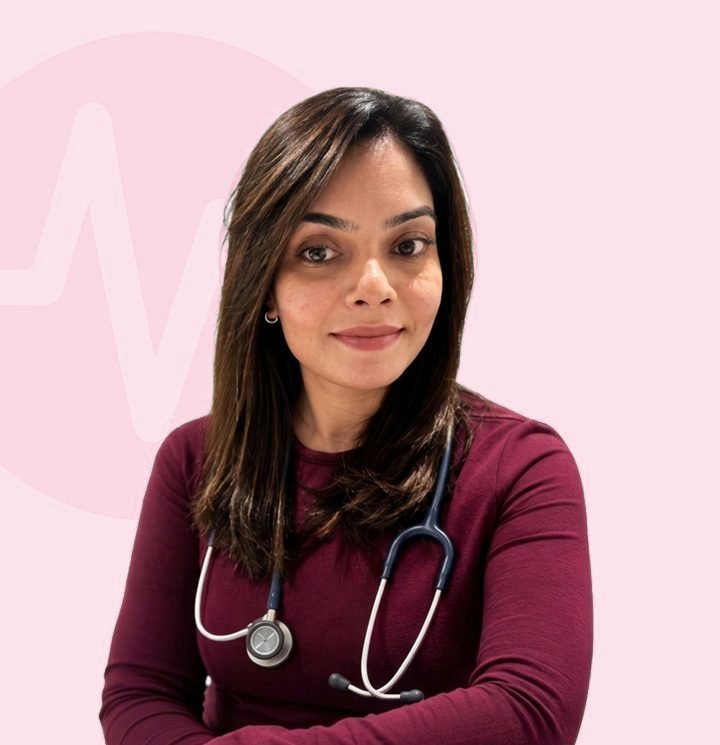
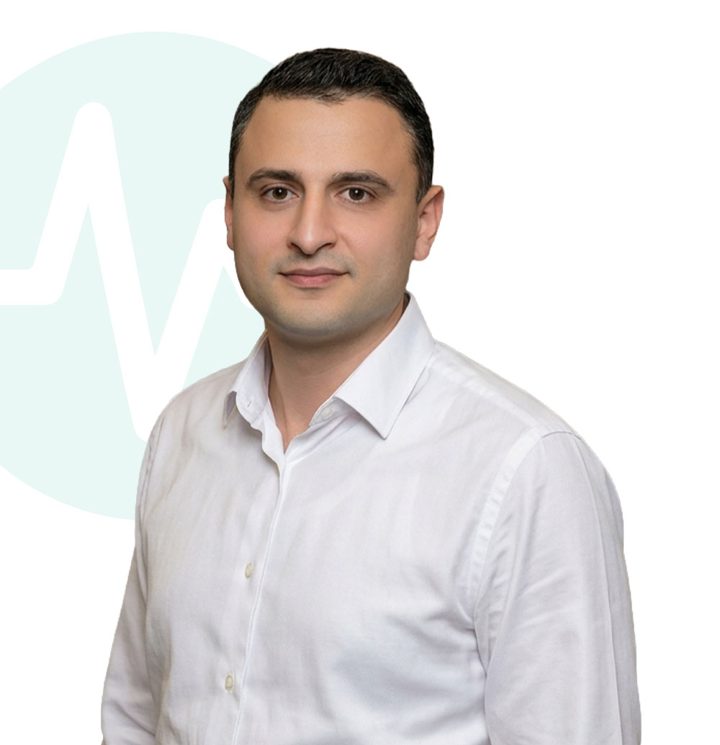
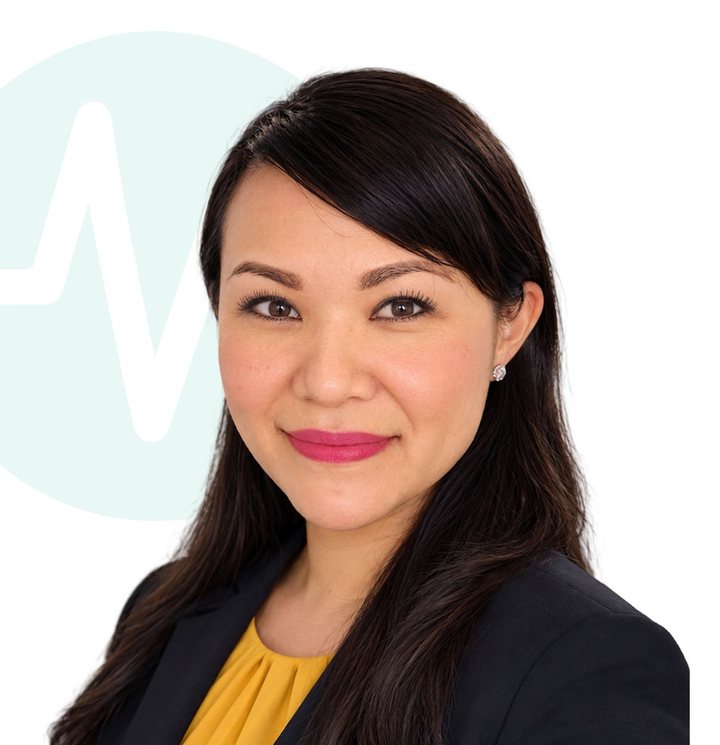
Yes. Dr Alice Najjar, Dr Prishantha Sirisena and Dr Christina Yeong are female GPs, and Dr Mohamed Naim Hafsah joins in December 2026. Choose either when you book on HotDoc or ask reception.
Do I need a referral?
No. Women's health care is general practice care and you can book directly. Your GP writes referrals when a specialist opinion is needed.
Is women's health care bulk billed?
GP consultations are bulk billed for eligible patients: children 15 and under, patients 65 and over with a pension or Health Care Card, and all other pension and Health Care Card holders. Cervical screening, procedures and some devices attract a fee; reception will tell you first.
Can I collect my own cervical screening sample?
Yes. Self-collection is an option for most people having routine screening. Ask your doctor whether it suits you.
Can I bring a support person or ask for a chaperone?
Yes. You are welcome to bring a support person and can ask for a chaperone for any examination.
How long should I book for?
Contraception, menopause, period problems and anything with more than one concern usually need a longer appointment. Tell reception what it is about.
Are you accepting new patients?
Yes. Book online at any hour through HotDoc or call (02) 4006 8222.
What should I do after hours?
Call Healthdirect on 1800 022 222 for advice at any time, Pregnancy, Birth and Baby on 1800 882 436, or 000 in an emergency.


 Book with Dr Alice Najjar